 Hearth & Hale
What we target / Light at night and body-clock light
Light at night and body-clock light
Too little daylight by day, too much light at night.
What it is
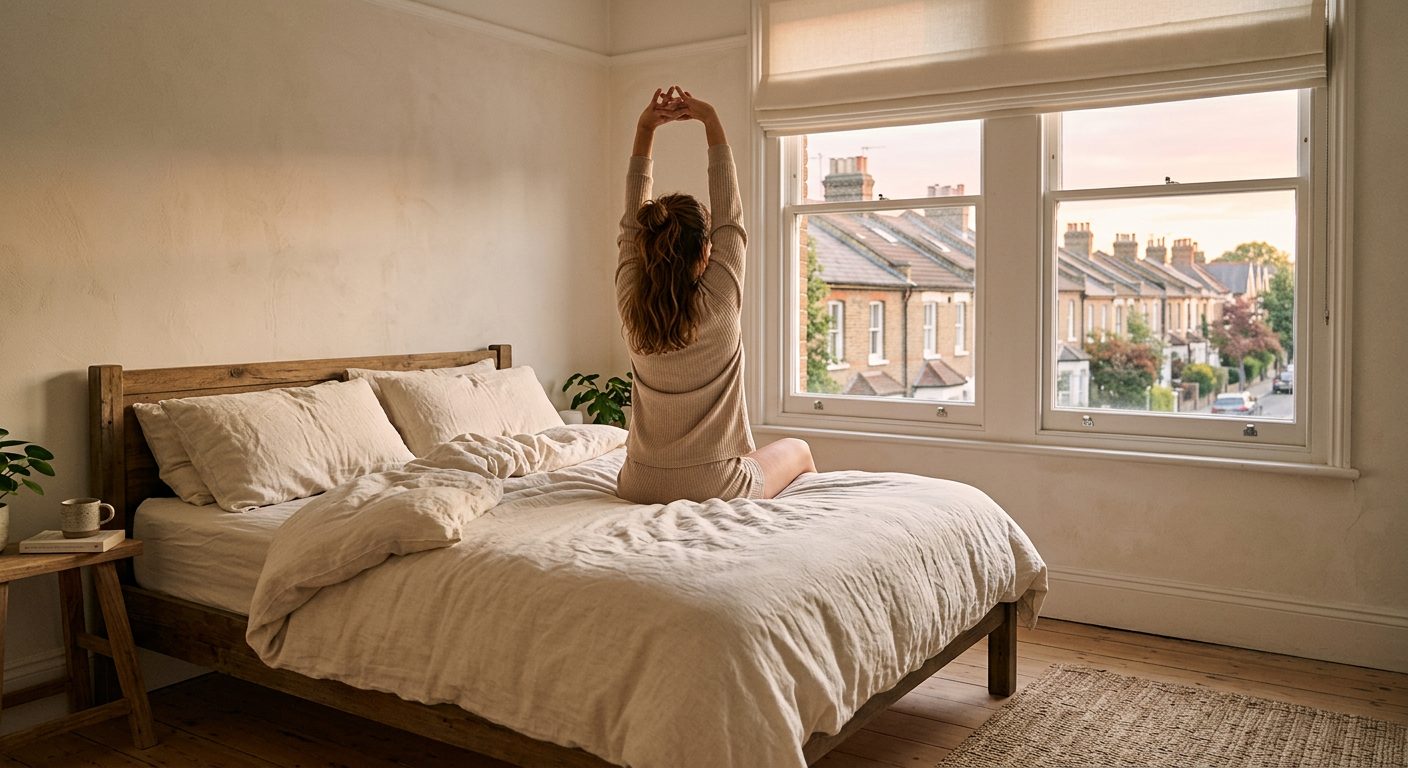
Your body clock runs on light. Bright days and dim, warm evenings keep it steady; streetlight through the curtains and bright white bulbs late at night push it off. London winters make the mornings dark too.
Why it matters
- One night sleeping in 100 lux raised next-day insulin resistance; brighter nights predicted higher mortality and brighter days lower mortality in UK Biobank. Mason 2022Windred 2024
- Experts recommend under 10 lux in the 3 hours before bed and under 1 lux while you sleep. Ordinary room light before bed delays melatonin and shortens it by about 90 minutes. Brown 2022Gooley 2011
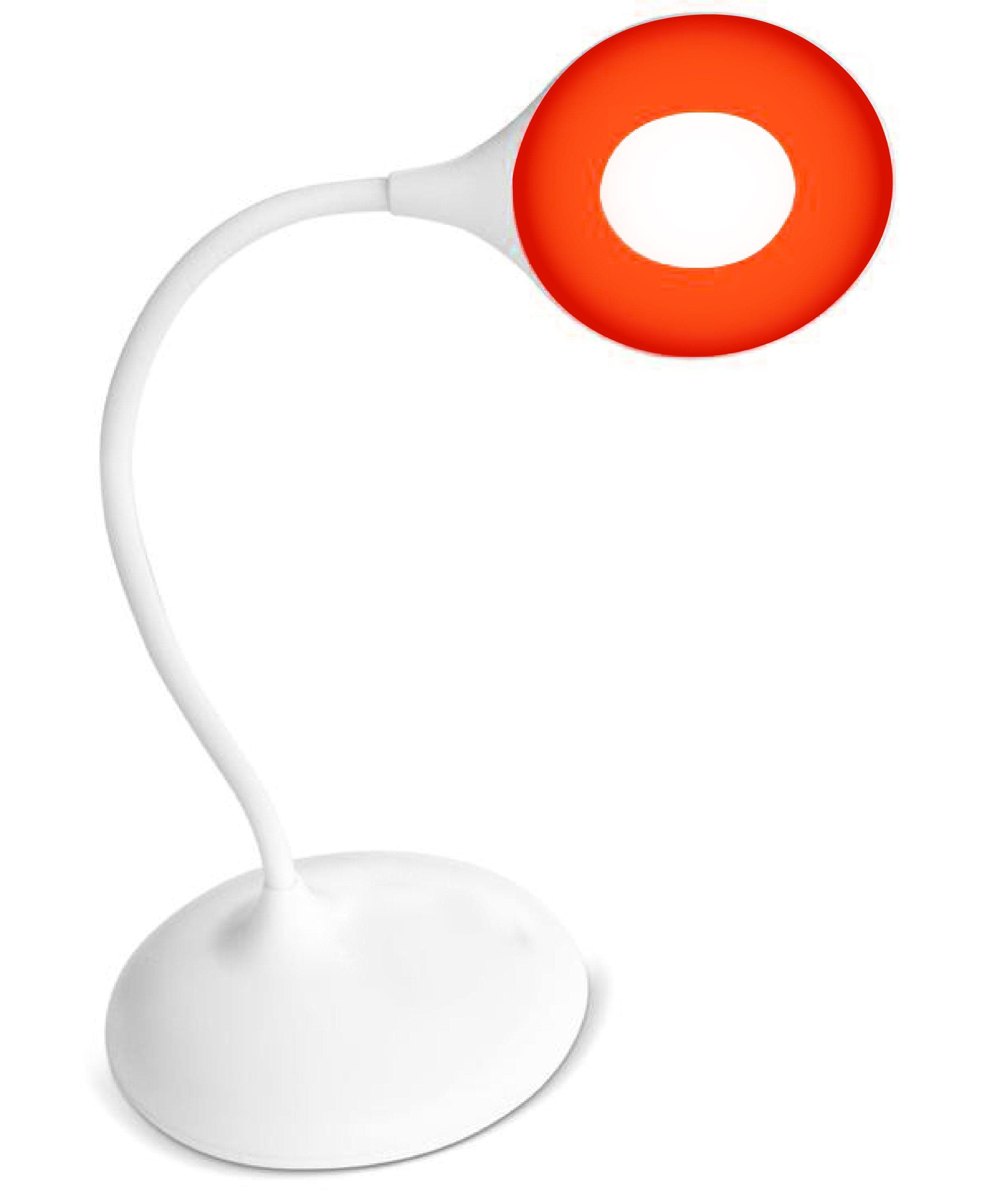
- Blue light is the most potent at suppressing melatonin; red and amber light far less. That is why our evening lamps are red or amber. Brainard 2001
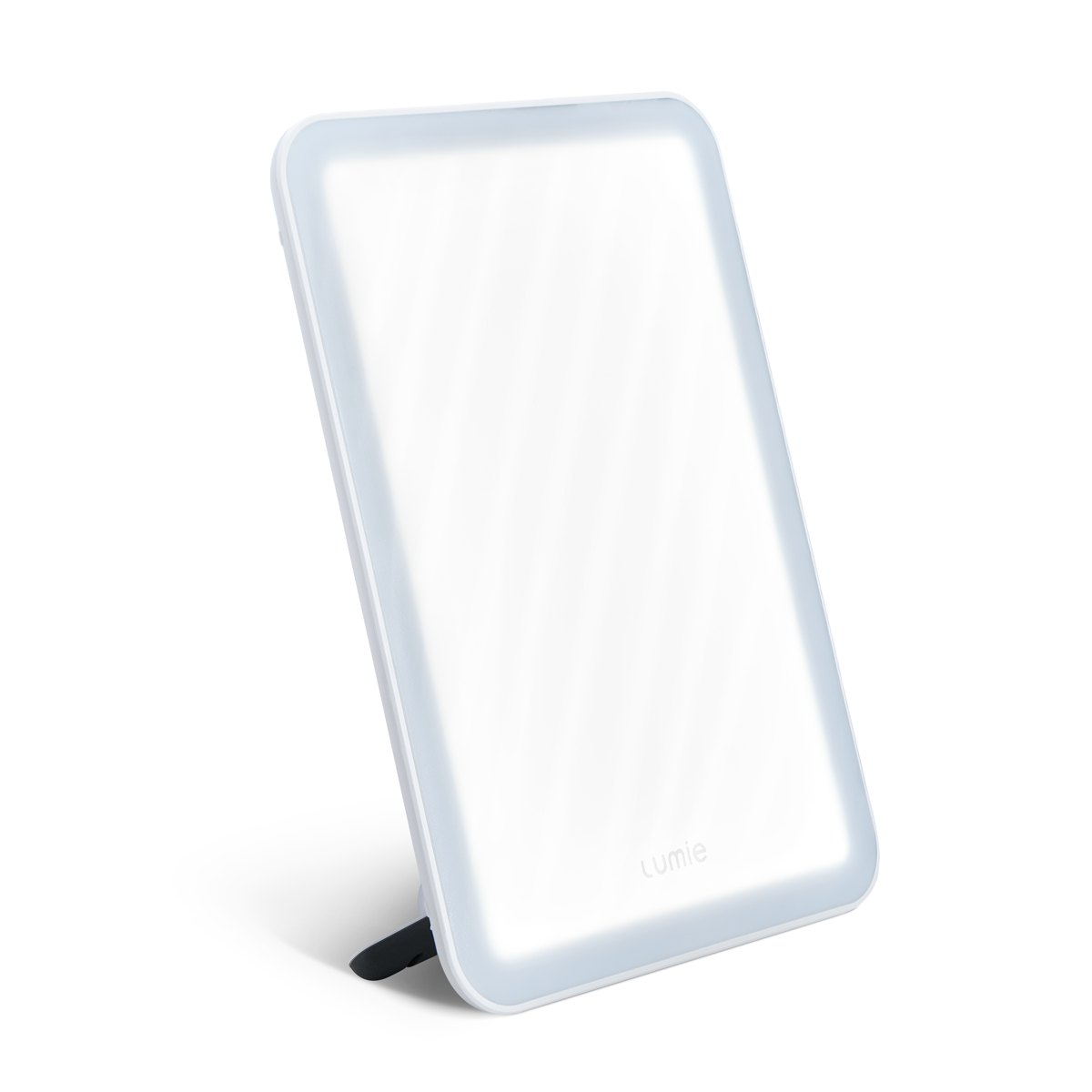
- For winter low mood, bright light therapy works: meta-analyses show it reduces seasonal depression symptoms. Golden 2005Pjrek 2020
How we test
- Home visit: lux readings at your pillow at night and at your desk by day, plus a check for standby LEDs and gaps around blinds.
Healthy target: Under 1 lux while asleep; under 10 lux in the 3 hours before bed; bright daytime light (expert consensus). Brown 2022
How we fix it
- Made-to-measure blackout blinds and no standby lights.
- Warm, dimmable evening lighting (Philips Hue scenes) and a red or amber bedside lamp.
- A sunrise alarm for gentle winter wake-ups.
- 20-30 minutes in front of a 10,000-lux light lamp on dark winter mornings.
Evidence: Golden 2005
In each package
Start
Blackout blinds, Hue lighting and a Lumie sunrise light in every bedroom.
Home
The same, with motorised blinds fitted.
Bespoke
Luxaflex PowerView blinds and lighting scenes designed for the whole home. Evening lamps and winter lamps as extras on any package.
Products we use
Blinds
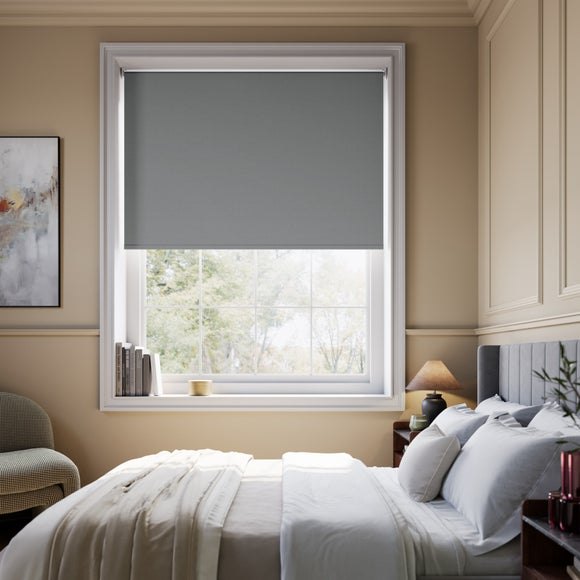
Made-to-measure blackout blinds
Proper darkness, made to your measurements.
From £60 a window (estimate)
Light
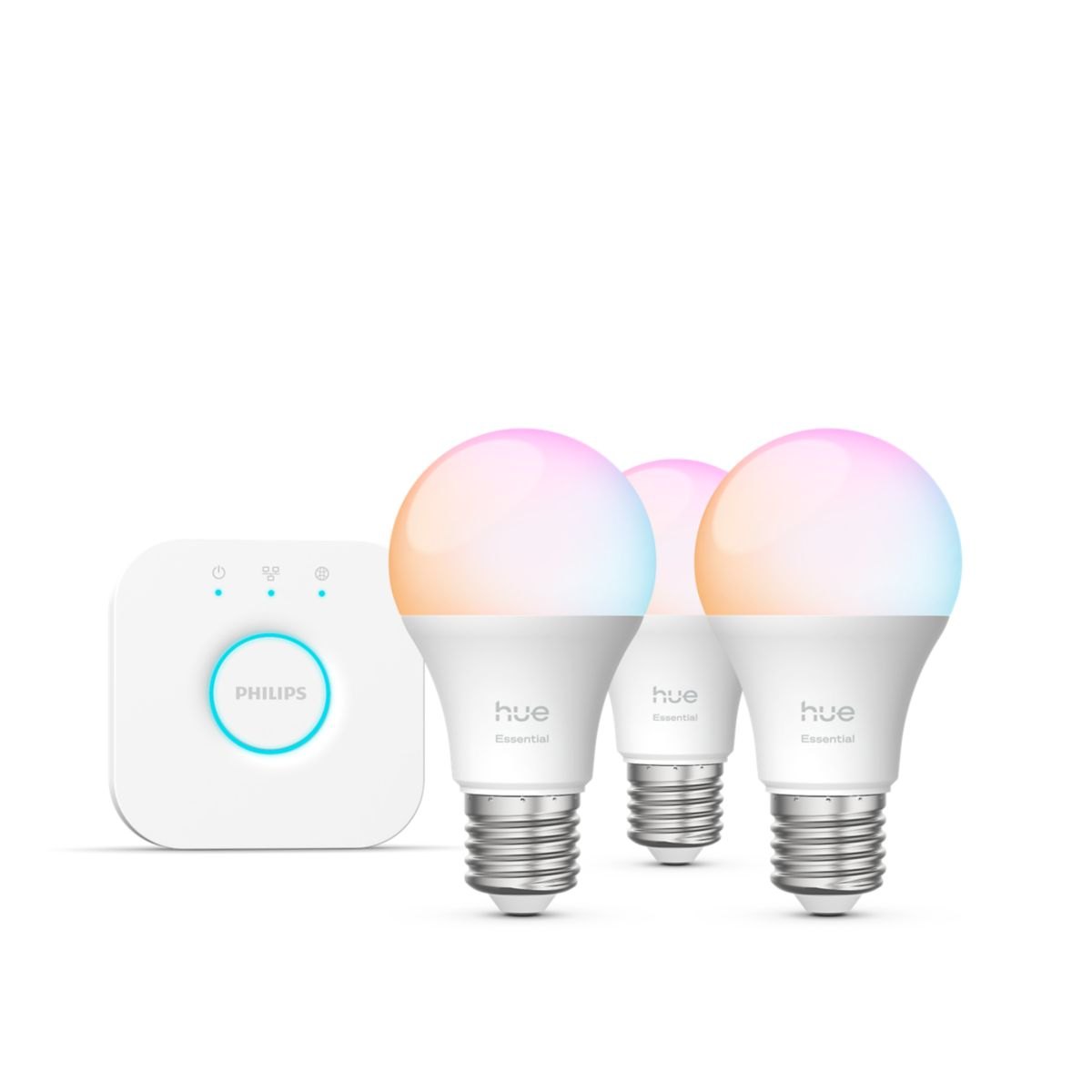
Philips Hue Essential starter kit
Three smart bulbs and a Bridge.
£114.99
Light
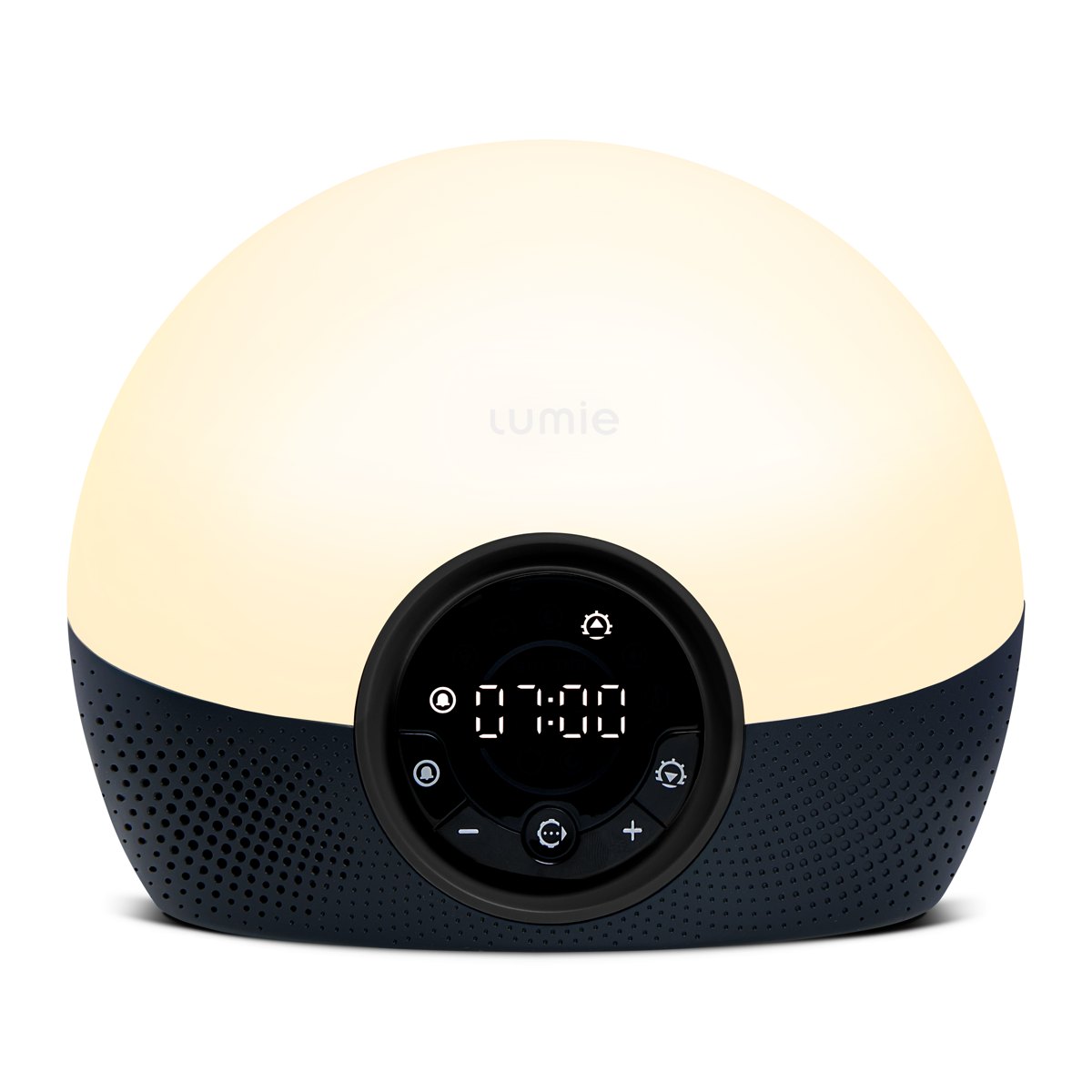
Lumie Bodyclock Glow 150
A sunrise alarm clock from a British light-therapy maker.
£119
Light
Evening red lamp (BlockBlueLight Twilight)
A rechargeable bedside lamp that gives a warm red glow with no blue or green light, for the last hour before bed and night-time trips.
£45.95 RRP
Light
Lumie Vitamin L winter light lamp
A slim 10,000-lux light therapy lamp for dark London mornings.
£99
Want us to check this at home?
We measure it on a Home visit and fix it the same week.